How to Floss Under a Dental Bridge the Right Way
Flossing under a dental bridge takes a special tool, such as a floss threader, super floss, or water flosser, to clean the space beneath the replacement tooth. Doing this once a day helps prevent plaque buildup, gum disease, and decay around the supporting teeth.
A dental bridge restores your smile, but it also creates a space that regular floss cannot reach. Patients with dental bridges in Levittown often ask how to keep that area clean without damaging their restoration. The good news is that flossing under a bridge is simple once you have the right tools. Here is a step-by-step guide to help your bridge and supporting teeth stay healthy.
How Do You Floss Under a Dental Bridge?
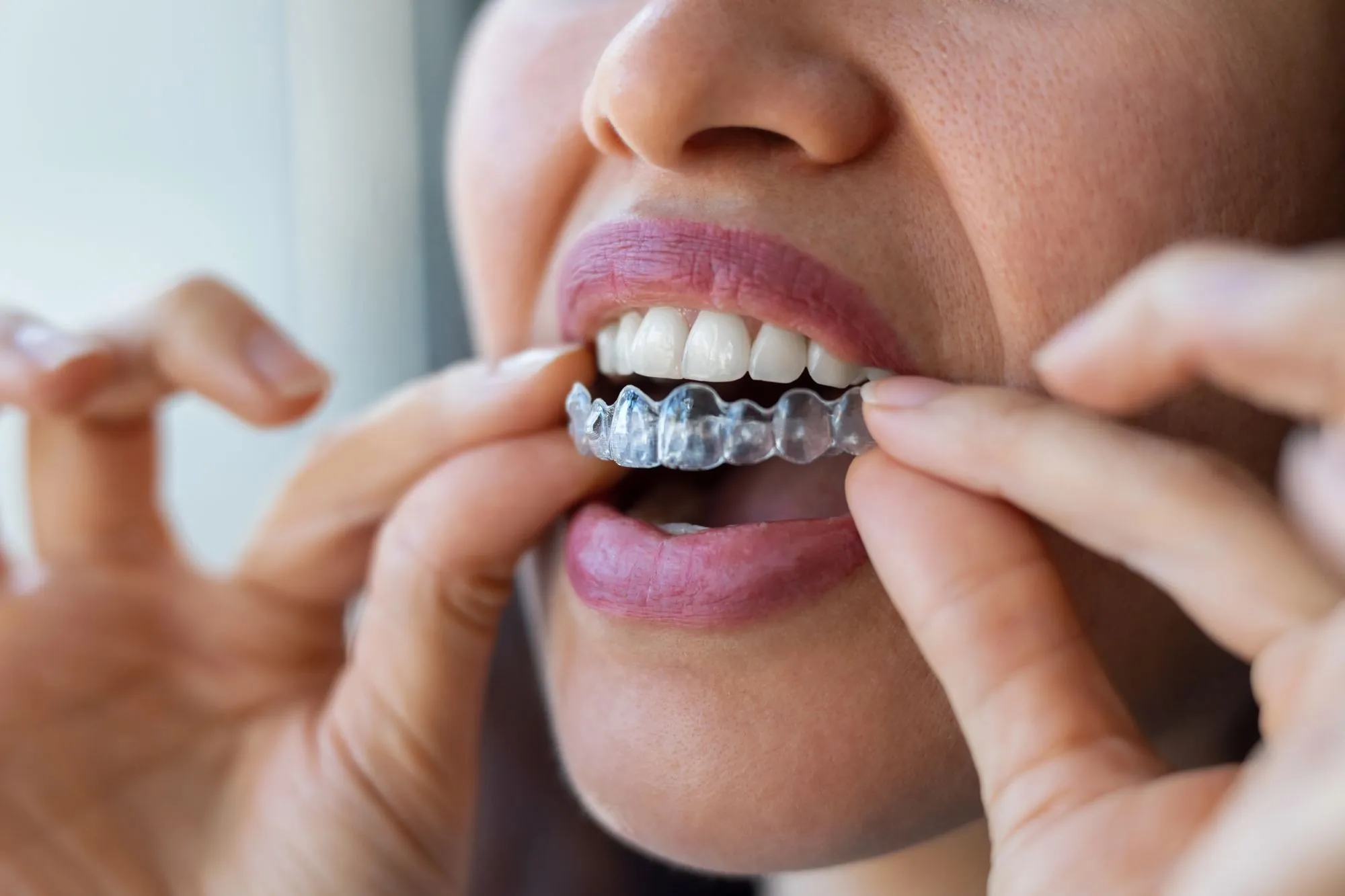
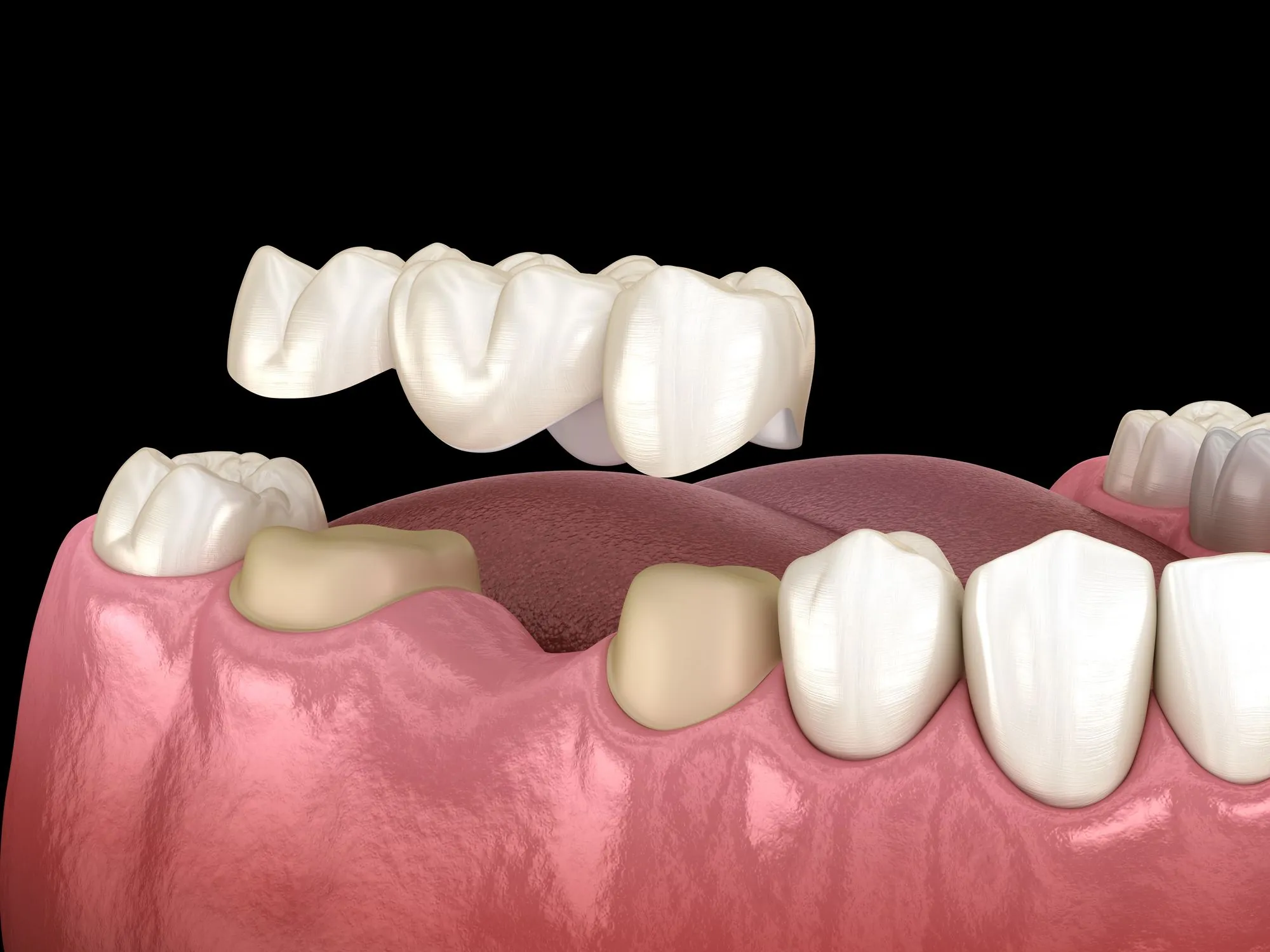
Because a bridge is one connected piece, you cannot slide floss down between the teeth like usual. Instead, you thread floss underneath the false tooth, called a pontic, and clean along the gums. The goal is to remove plaque from the underside of the bridge and the sides of the supporting teeth. Try this once a day, ideally before bed.
Step-by-Step Flossing With a Floss Threader
A floss threader works like a needle that guides floss under your bridge. It is inexpensive and easy to find at most drugstores. Follow these steps:
- Thread about 18 inches of floss through the loop of the threader.
- Gently push the threader under the bridge from the front, near the gumline.
- Pull the floss through until you can hold both ends.
- Slide the floss back and forth under the pontic, then curve it around each supporting tooth.
- Remove the floss and repeat for any other bridges.
Other Tools That Make It Easier
Some patients prefer tools that skip the threading step. Super floss has a stiff end you can push under the bridge and a spongy section that cleans wider spaces. Water flossers use a stream of water to flush out food and plaque, which many people find gentler on the gums. Small interdental brushes can also clean around the supporting teeth.
Common Mistakes to Avoid
Snapping floss into the gums can cause irritation or bleeding. Skipping the supporting teeth leaves plaque where decay is most likely to start. Pulling floss up and out against the bridge can stress the restoration over time, so slide it out sideways instead.
Frequently Asked Questions
Is it normal for my gums to bleed when I floss under my bridge?
Some light bleeding is common when you first start flossing under a bridge. It usually stops within a week or two as your gums get healthier. If bleeding continues, let your dentist know so they can check for gum inflammation.
Can a water flosser replace regular flossing?
A water flosser is a great option for cleaning under a bridge. Many patients use it alone or alongside floss for the best results. Ask your dentist which routine fits your needs.
How often should I have my bridge checked?
Most patients should have their bridge checked at regular cleanings, usually every six months. These visits let your dentist look for decay, gum problems, or wear. Professional cleanings also remove buildup that home care can miss.

Keep Your Smile Healthy With Dental Bridges in Levittown
A few minutes of daily care can help your bridge last for many years. At Seiden Dental, our team is happy to show you the best flossing tools and techniques for your restoration. We also provide routine checkups to keep your bridge and supporting teeth in great shape. Schedule your next visit today to protect your smile.