How Dental Crowns and Fillings Restore Damaged Teeth
Dental crowns and fillings can repair damaged teeth, restore normal function, and help protect your natural smile from further problems. If you are searching for a restorative dentist in Levittown, understanding how these treatments work can help you recognize when restorative care may be appropriate.
How Fillings Restore Damaged Teeth
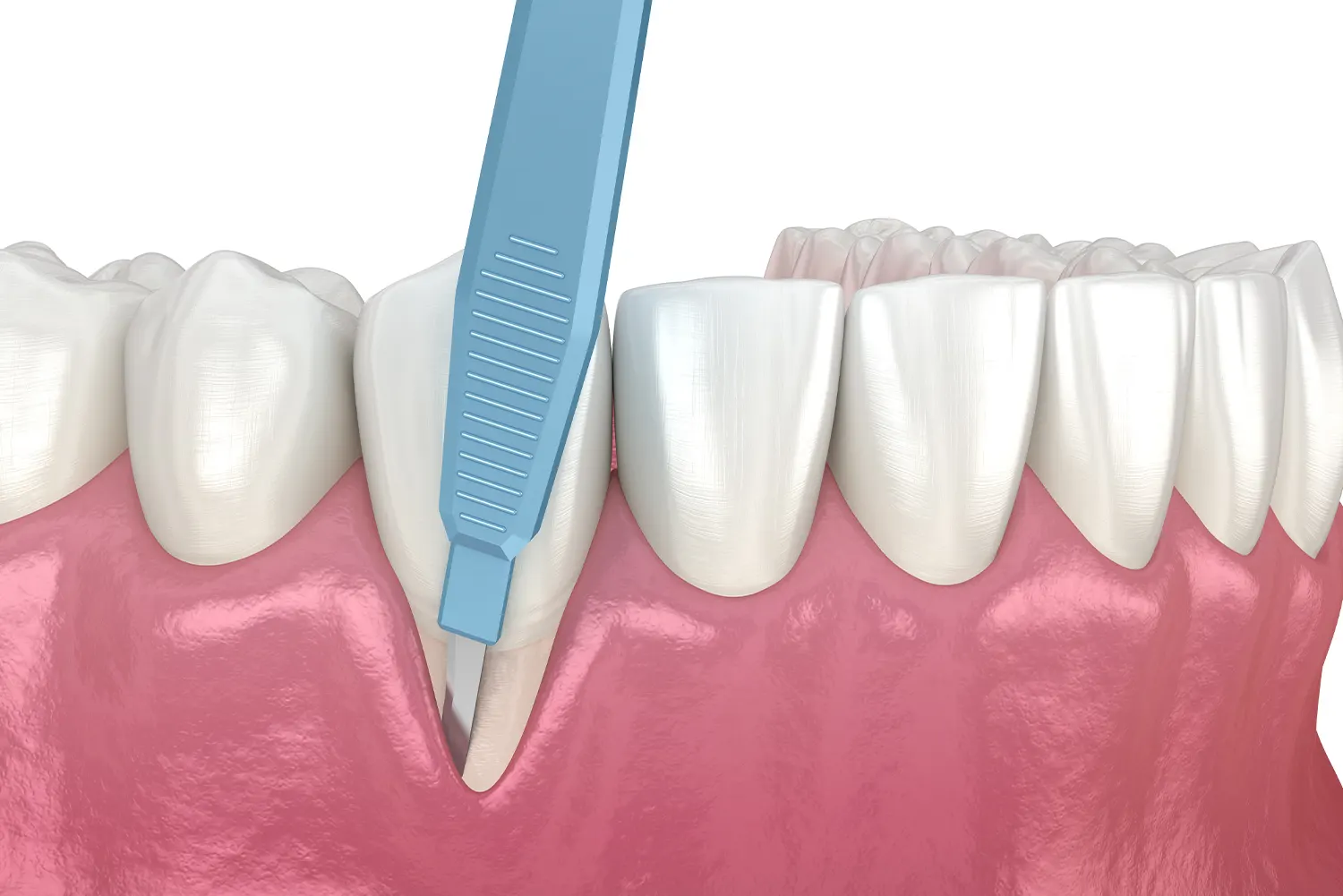
Dental fillings are commonly used to repair teeth affected by cavities or smaller areas of damage. When tooth decay develops, it can create a weakened area or hole in the tooth. Without treatment, the decay may continue to spread and eventually affect deeper structures.
During a filling procedure, the dentist removes the decayed portion of the tooth and cleans the affected area. The space is then filled with a durable dental material designed to restore the tooth's shape and function.
When Are Dental Fillings Recommended?
Fillings may be appropriate for several types of minor to moderate tooth damage, including:
- Cavities caused by tooth decay
- Small chips or fractures
- Worn areas on the tooth
- Minor damage caused by grinding or biting forces
By addressing damage early, a filling can help preserve more of the natural tooth structure and reduce the likelihood of more extensive treatment later.
What Are the Benefits of Fillings?
One of the main advantages of a filling is that it allows the dentist to preserve the healthy portion of the natural tooth. Modern filling materials can also be matched to the appearance of your teeth, helping the restoration blend naturally with your smile.
How Dental Crowns Protect Damaged Teeth
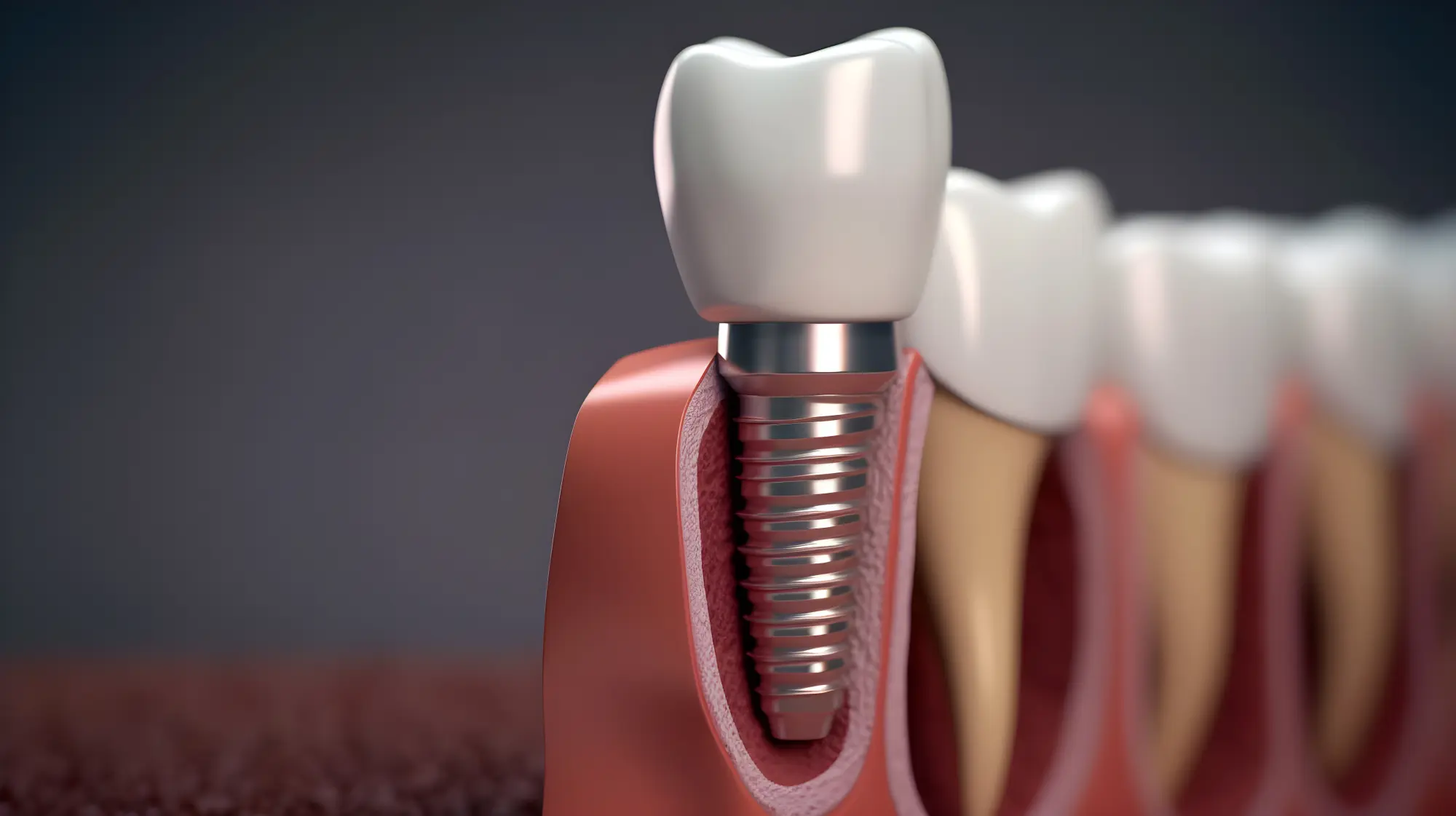
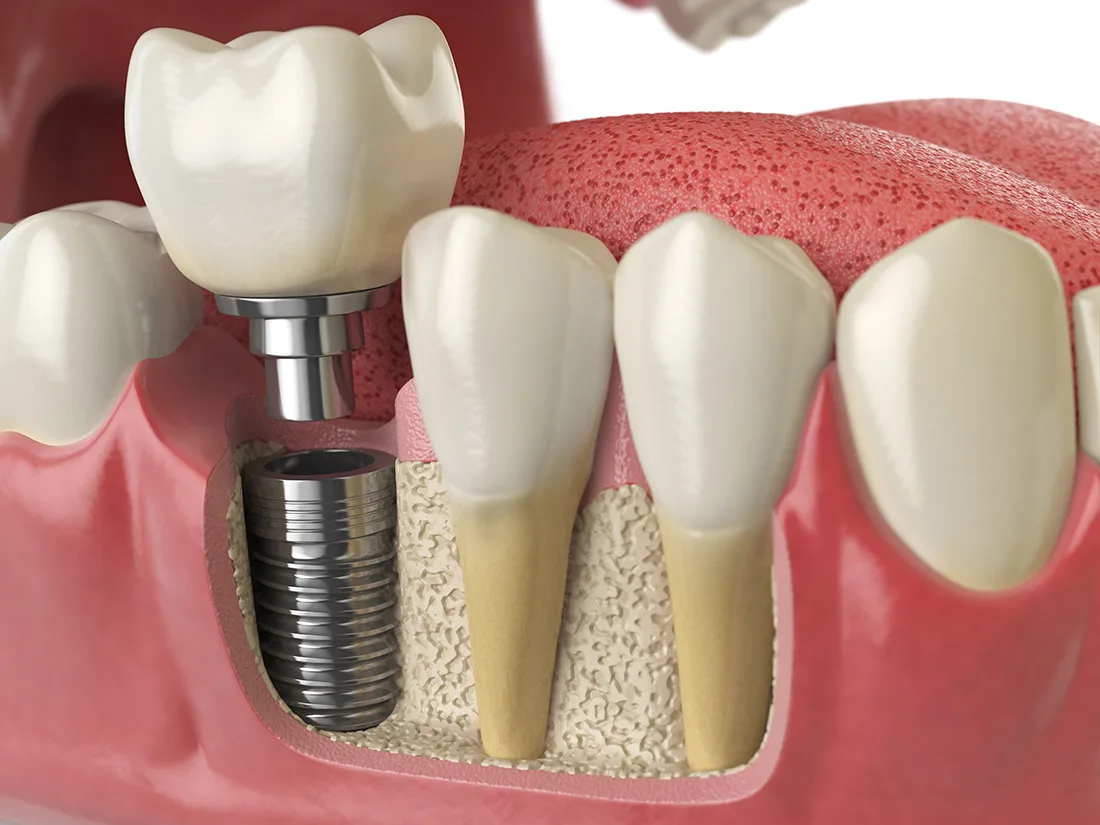
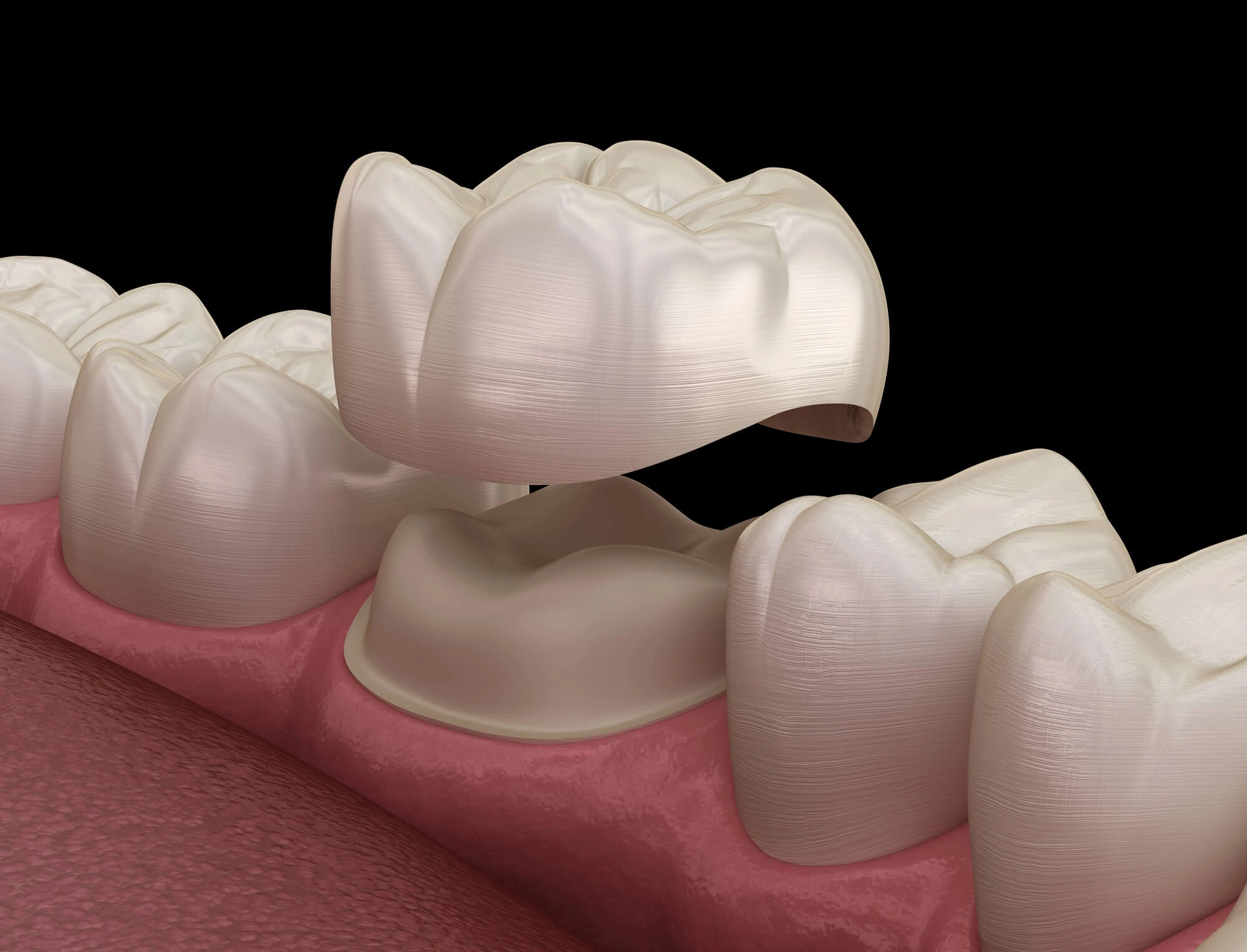
A dental crown is a restoration that covers the visible portion of a damaged or weakened tooth. Crowns are generally recommended when a tooth has experienced more extensive damage and requires additional protection than a filling can provide.
A crown can help restore the tooth's shape, strength, and ability to withstand everyday chewing forces. It may be used for teeth that are significantly weakened by decay, large fillings, fractures, or other structural problems.
When Might You Need a Dental Crown?
Your dentist may recommend a crown when:
- A tooth has extensive decay
- A large portion of the tooth is missing
- A tooth is cracked or significantly weakened
- An existing restoration needs replacement
- A tooth requires additional protection after certain treatments
Because crowns cover the tooth, they can provide an added layer of protection while helping restore normal oral function.
Choosing the Right Restorative Treatment
The appropriate treatment depends on the amount and location of tooth damage, the health of the surrounding tooth structure, and your overall oral health. A smaller cavity may only require a filling, while a severely weakened tooth may benefit from a crown.
Your dentist can examine the affected tooth and recommend the most conservative treatment that provides adequate protection. Treating damaged teeth promptly can also help prevent complications and support long-term oral health.
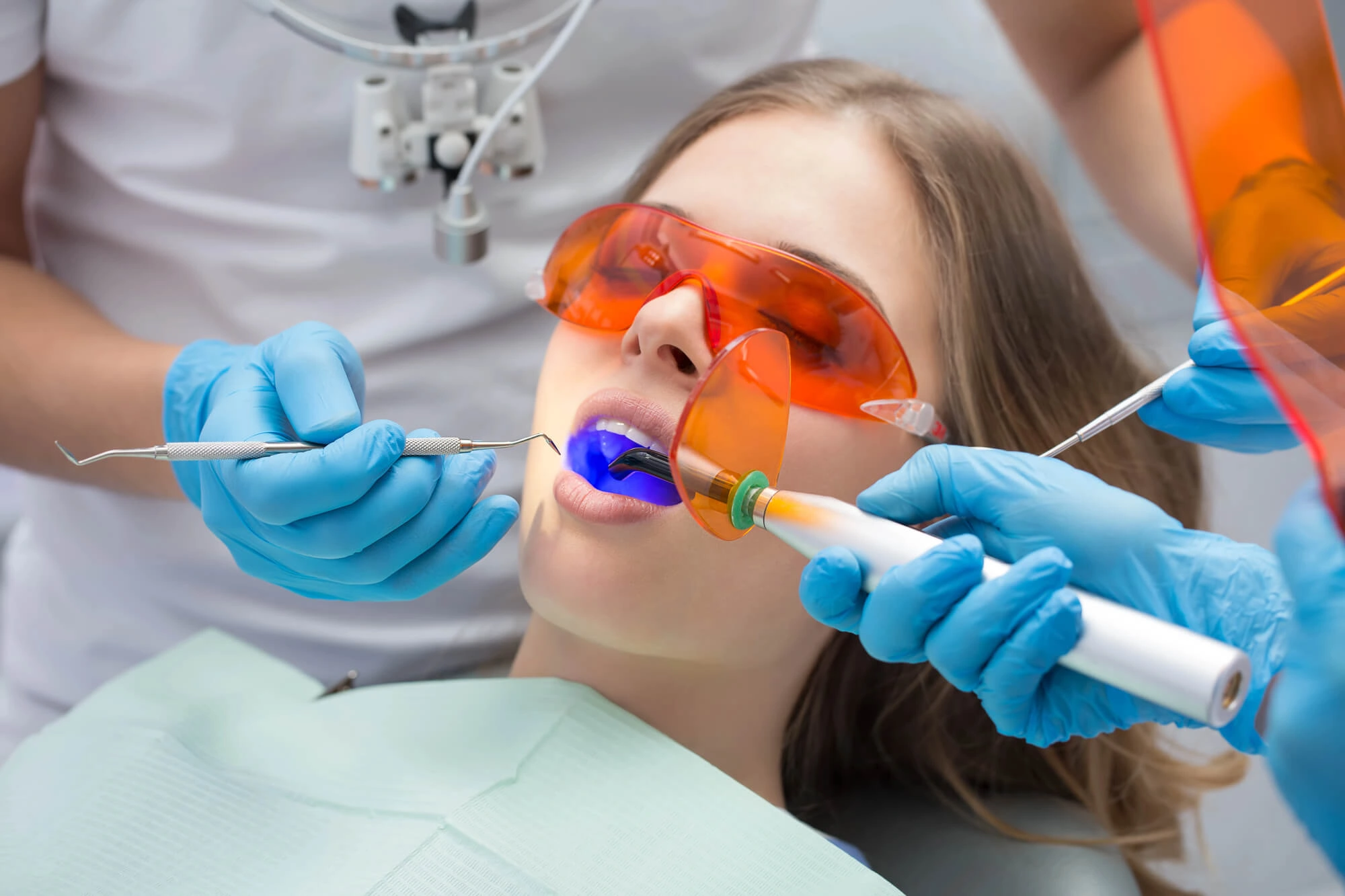
Visit a restorative dentist in Levittown for Damaged Teeth
Restorative dentistry can help repair damaged teeth while preserving as much healthy tooth structure as possible. Whether you need a filling for a cavity or a crown for a weakened tooth, professional evaluation is an important step toward restoring your smile. Seiden Dental Excellence offers restorative dentistry designed to address damaged teeth and support comfortable, functional smiles. Schedule an appointment to discuss your treatment options.