How Can a Dentist Help With Sleep Apnea?
Sleep apnea is a serious sleep-related breathing disorder that can affect rest, energy, and overall health, but appropriate treatment may help improve nighttime breathing. A dentist in 11756 may evaluate your symptoms and determine whether an oral appliance could be an appropriate treatment option. Understanding how dental sleep apnea therapy works can help you take the next step toward better sleep.
Sleep apnea occurs when breathing repeatedly stops and starts during sleep. Obstructive sleep apnea is commonly associated with the relaxation or collapse of tissues that partially or completely block the airway. Common symptoms can include loud snoring, morning headaches, daytime fatigue, and waking up feeling unrested.
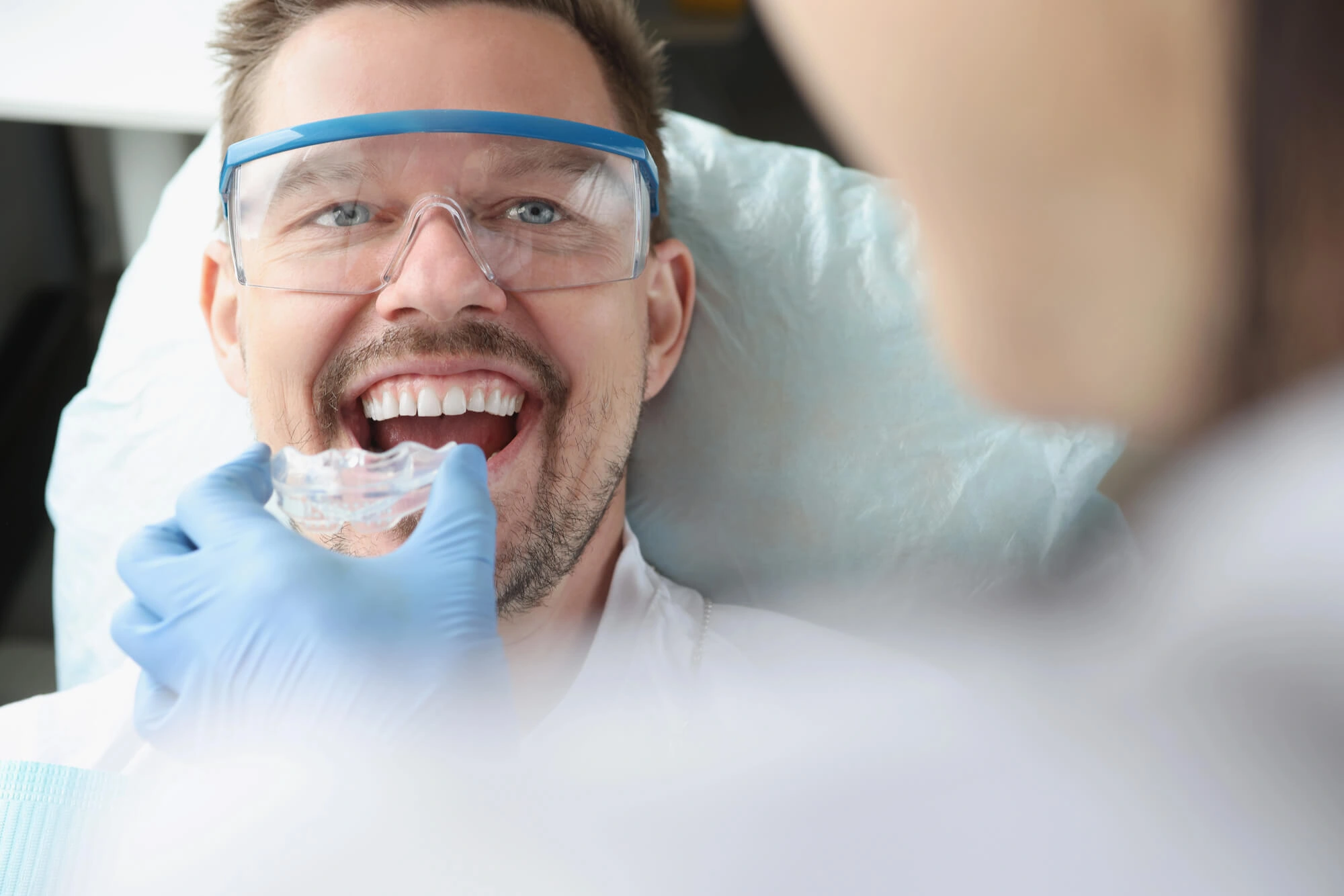
What Does Dental Sleep Apnea Therapy Involve?
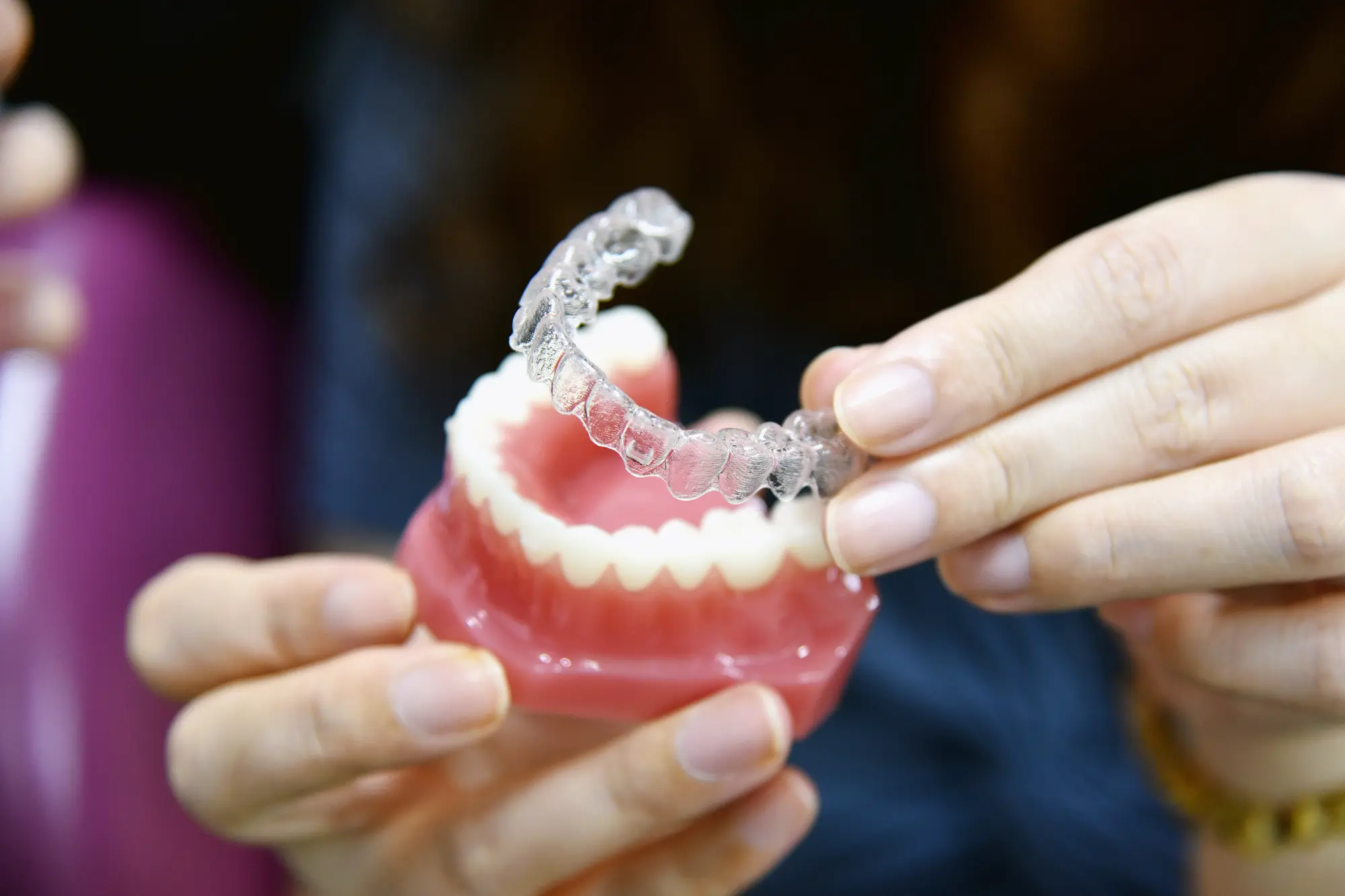
Dental sleep apnea therapy may involve a custom oral appliance designed to help maintain a more open airway during sleep. Depending on the appliance and patient's needs, it may reposition the lower jaw or tongue to reduce airway obstruction. A dentist evaluates your oral health, symptoms, and treatment needs before determining whether this approach may be appropriate.
Oral appliance therapy may be considered for certain patients with mild to moderate obstructive sleep apnea or those who cannot tolerate other treatments. A dental provider may work alongside a sleep physician to support a comprehensive approach to diagnosis and care. Proper evaluation is important because sleep apnea treatment should be based on the individual's condition.
Who May Benefit From an Oral Appliance?
Not everyone with sleep apnea will require the same treatment. Your symptoms, diagnosis, anatomy, and overall health can influence which approach is recommended. Patients should receive an appropriate medical evaluation before beginning treatment for suspected sleep apnea.
An oral appliance may be considered for people who:
- Have diagnosed obstructive sleep apnea
- Experience loud or frequent snoring
- Have difficulty tolerating certain sleep apnea treatments
- Prefer a removable treatment option when medically appropriate
- Need an alternative or complementary treatment approach
Why Is Professional Evaluation Important?
Untreated sleep apnea can affect sleep quality and may contribute to excessive daytime tiredness and other health concerns. Because snoring and fatigue can have multiple causes, professional evaluation is important before assuming sleep apnea is the reason. A dentist experienced in dental sleep medicine can assess your oral structures and discuss appropriate treatment options.
What Should You Expect During Treatment?
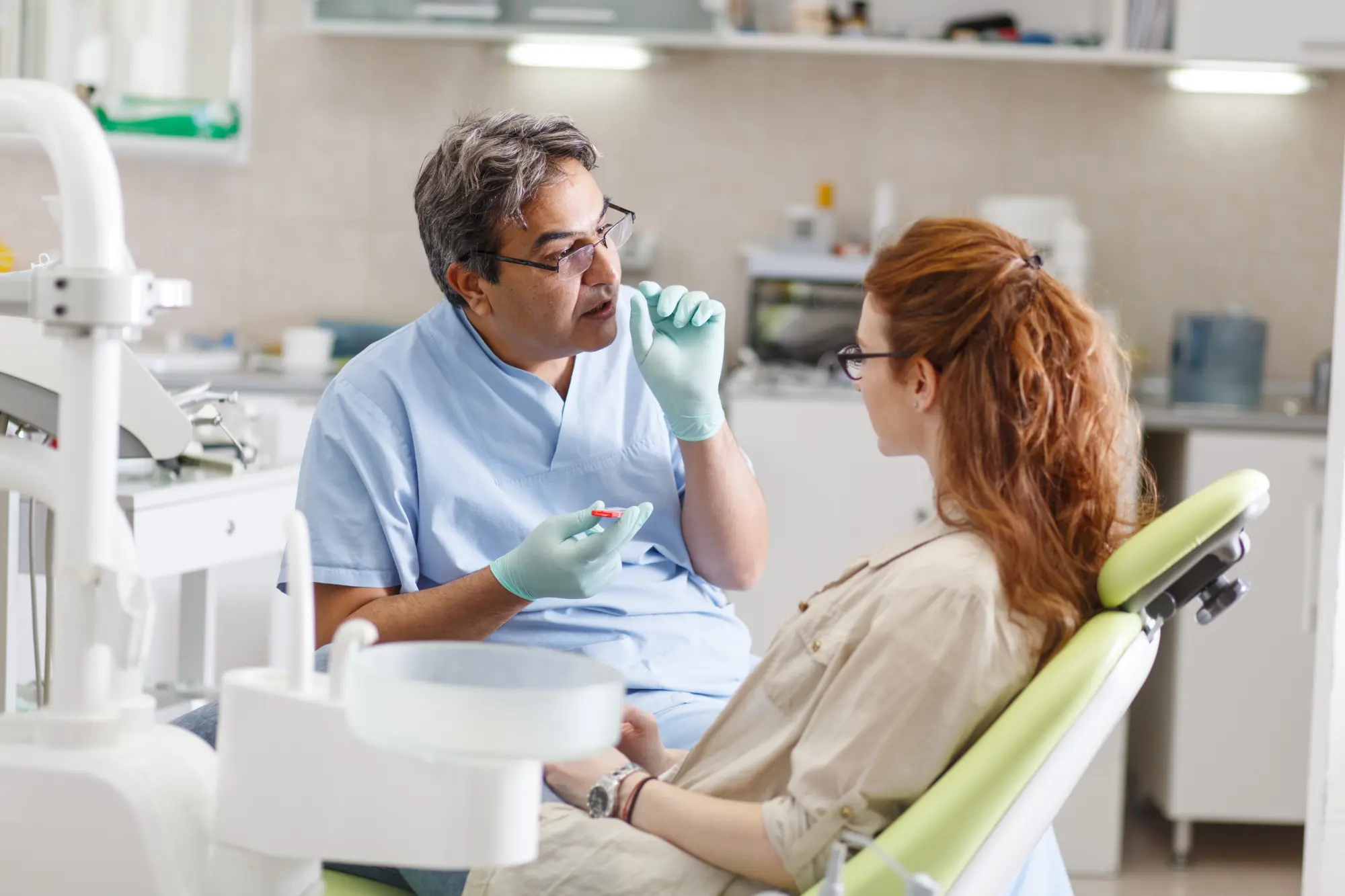
Treatment typically begins with a consultation and evaluation of your symptoms and dental health. If an oral appliance is appropriate, the appliance is customized to fit your mouth and treatment needs. Follow-up visits can help your dentist evaluate comfort, fit, and treatment progress.
Consistent use and proper care of the appliance are important for maintaining its effectiveness. Patients should follow their dentist's instructions regarding wearing, cleaning, and storing the device. Ongoing monitoring can also help identify changes that may require adjustments.
Frequently Asked Questions
Can a dentist treat sleep apnea?
A dentist may provide oral appliance therapy for appropriate patients with obstructive sleep apnea as part of a coordinated treatment plan.
Does an oral appliance cure sleep apnea?
An oral appliance does not necessarily cure sleep apnea, but it may help reduce airway obstruction and associated symptoms for suitable patients.
Should I see a doctor before getting an oral appliance?
Patients with suspected sleep apnea should receive appropriate medical evaluation and diagnosis before beginning dental sleep apnea therapy.
Explore Sleep Apnea Care With a Dentist in 11756
Better sleep can begin with understanding the cause of nighttime breathing problems and exploring appropriate treatment options. Seiden Dental Excellence provides dental sleep apnea therapy designed around each patient's individual needs and oral health. Schedule a consultation to discuss your symptoms and learn whether dental sleep apnea therapy may be right for you.